A common mistake retailers make is assuming their fixture layout will stay the same for years. In reality, stores change constantly. New products arrive, seasonal inventory comes and goes, and customer shopping habits shift over time.
The stores that stay organized the longest are usually the ones that build flexibility into their layout from the beginning.
Retail Changes Faster Than Most Owners Expect
When a store first opens, the fixture plan often looks perfect. Every section has a purpose and inventory levels match the available space.
Six months later, things can look very different.
A product category that was expected to be small may become a top seller. Seasonal merchandise might need extra room. New suppliers may introduce packaging that requires different display methods.
If fixtures can’t adapt, the layout starts to feel cramped and disorganized.
Think Beyond Today’s Inventory
Many retailers buy fixtures based on what they’re selling right now rather than what they may sell in the future.
A better approach is to choose systems that can be adjusted as product needs change. Shelves that can be repositioned, displays that can be moved, and modular fixtures often provide more long-term value than highly specialized units.
This flexibility reduces the need for major store redesigns later.
Organization Drives Better Browsing
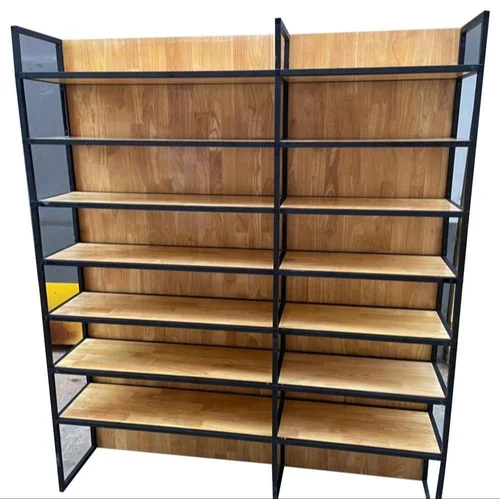
Customers shop more comfortably when products are grouped logically.
The goal isn’t to fit as much inventory as possible onto the sales floor. It’s to make products easy to find and compare.
Well-planned retail shelving solutions help create clear product zones while still allowing room for future adjustments. The best systems support organization without locking the store into a rigid layout.
Avoid Overcrowding Displays
One of the fastest ways to make a store feel smaller is overloading fixtures.
When shelves become packed:
- products blend together
- customers spend less time browsing
- important items become harder to notice
Leaving some open space often improves visibility and creates a cleaner shopping experience.
Plan for Seasonal Changes
Almost every retailer deals with changing inventory throughout the year.
Holiday products, promotional items, and seasonal merchandise all require temporary display space. If every fixture is already filled to capacity, adding these items becomes difficult.
Leaving some flexibility in the layout makes seasonal transitions much easier to manage.
Staff Efficiency Matters Too
Fixtures don’t just affect customers.
Store employees interact with displays every day through:
- restocking
- cleaning
- inventory checks
- merchandising updates
If fixtures are difficult to adjust or maintain, simple tasks take longer than necessary. Practical systems often save significant time over the course of a year.
Watch How Customers Use the Space
Some sections naturally attract more attention than others.
Instead of assuming a layout is working, observe customer behavior. Areas that consistently receive traffic may deserve additional space, while underperforming sections may benefit from a different arrangement.
Flexible fixtures make those adjustments easier to implement.
What This Comes Down To
The most successful store layouts aren’t necessarily the most elaborate. They’re the ones that can adapt.
Retail changes constantly, and fixtures should support that reality. A layout that can evolve alongside inventory, customer behavior, and seasonal needs will almost always outperform one that is locked into a single design.
